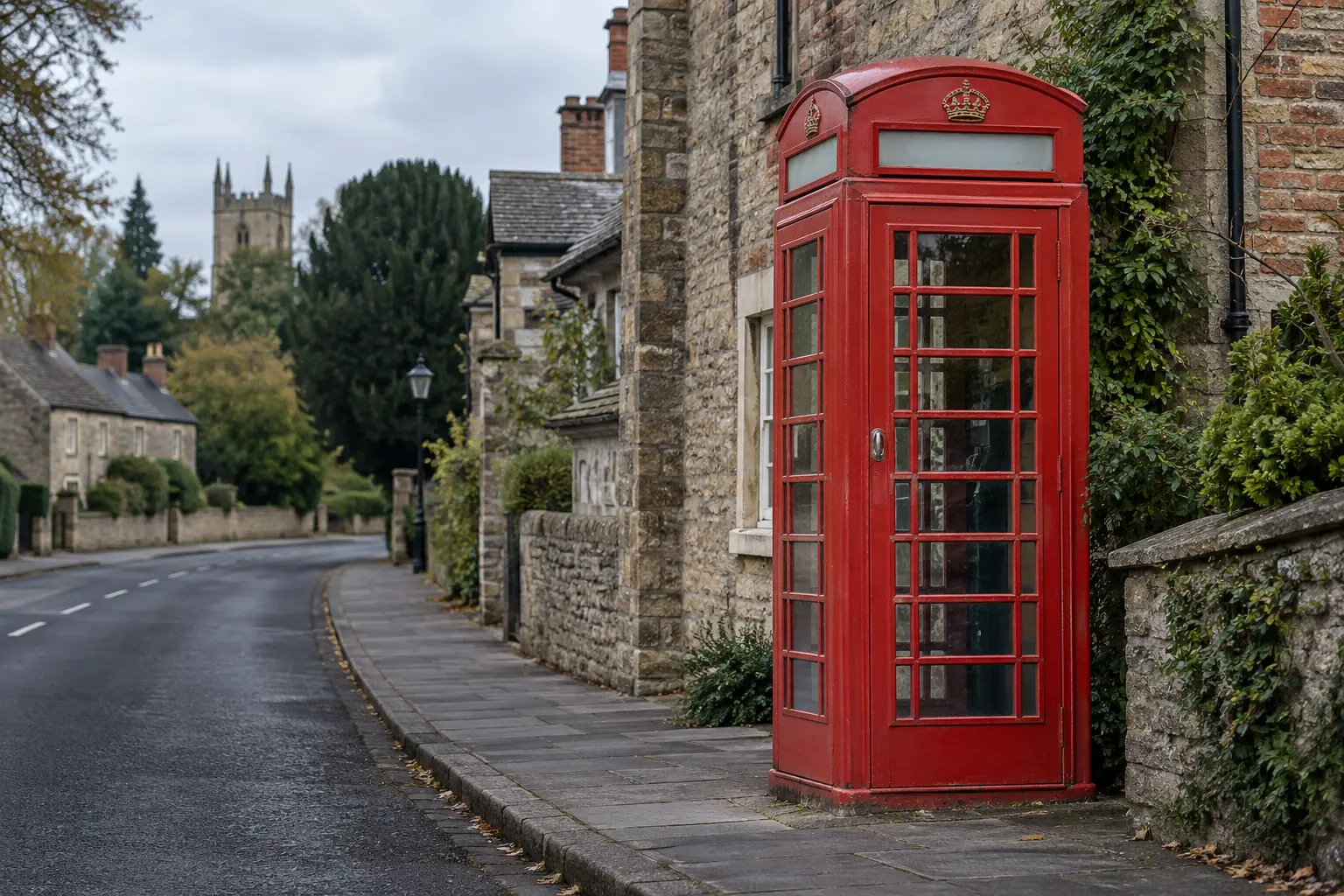
The public telephone became part of the street.
Britain’s early public telephones appeared in a variety of enclosures. When the General Post Office took control of most of the telephone network, it began to standardise the experience—including the structure that sheltered the caller.
The K1, introduced in the early 1920s, was the first standard kiosk, but its concrete construction and appearance did not win universal support. A new design competition created the opportunity for a young but already remarkable architect to turn a piece of infrastructure into an enduring national symbol.
A telephone box did not need to be merely useful. It could also belong beautifully to a street.
The architectural idea.
Sir Giles Gilbert Scott’s winning K2 design brought classical order to a thoroughly modern service. Its shallow, domed roof echoed the form of Sir John Soane’s family tomb in St Pancras Gardens; its multi-pane glazing felt familiar beside Georgian architecture.
Scott originally proposed a steel kiosk painted silver, with a blue-green interior. The General Post Office instead produced it in cast iron and chose the bright red finish that would become inseparable from the British telephone box.
Urban
Monumental
The icon reaches the nation.
Commissioned to mark the Silver Jubilee of King George V, Scott’s K6 refined the K2 into a smaller, lighter and more economical cast-iron kiosk. It kept the domed roof, strong silhouette and grids of glass, but made the design practical for widespread use in towns and villages.
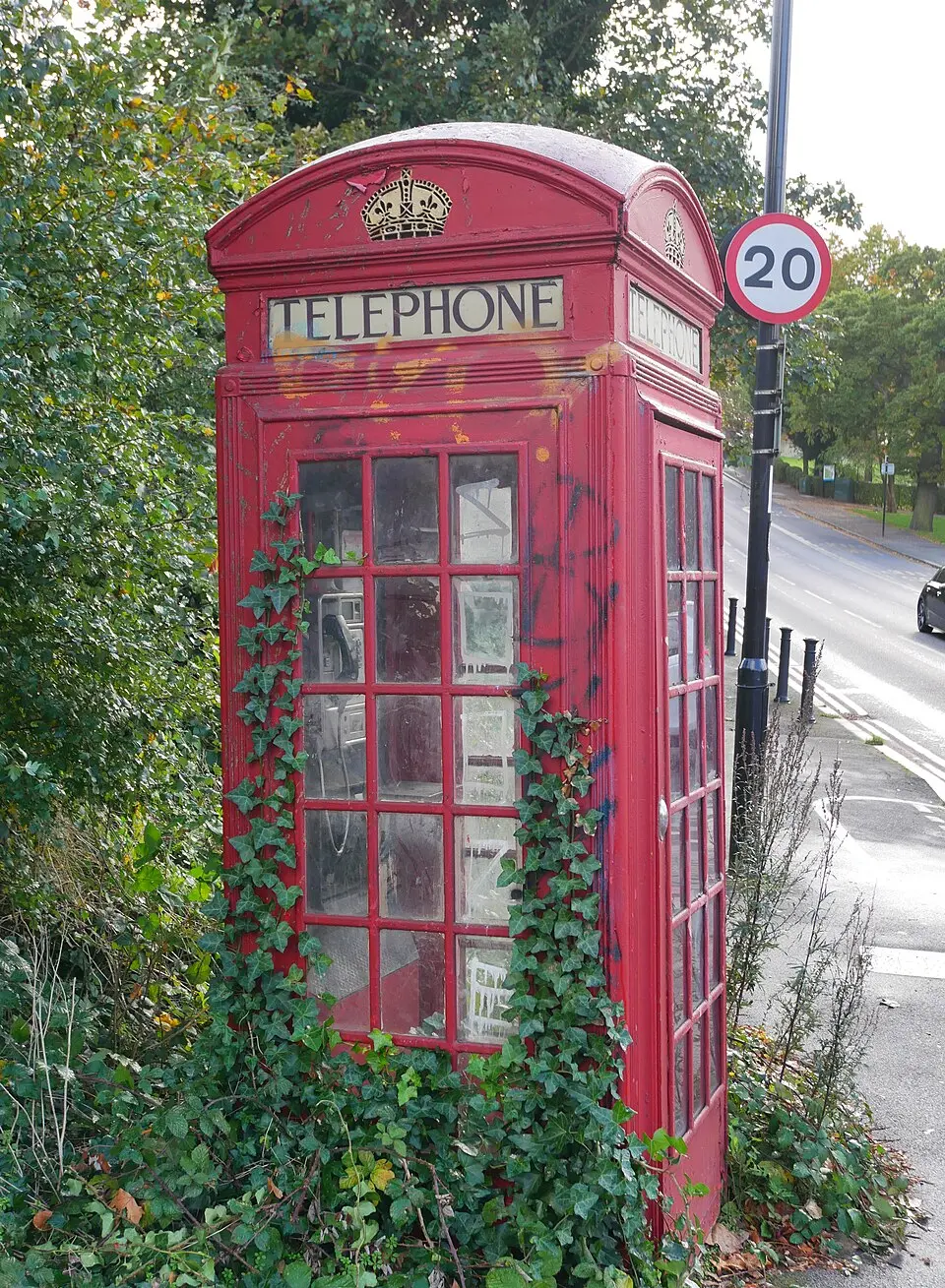
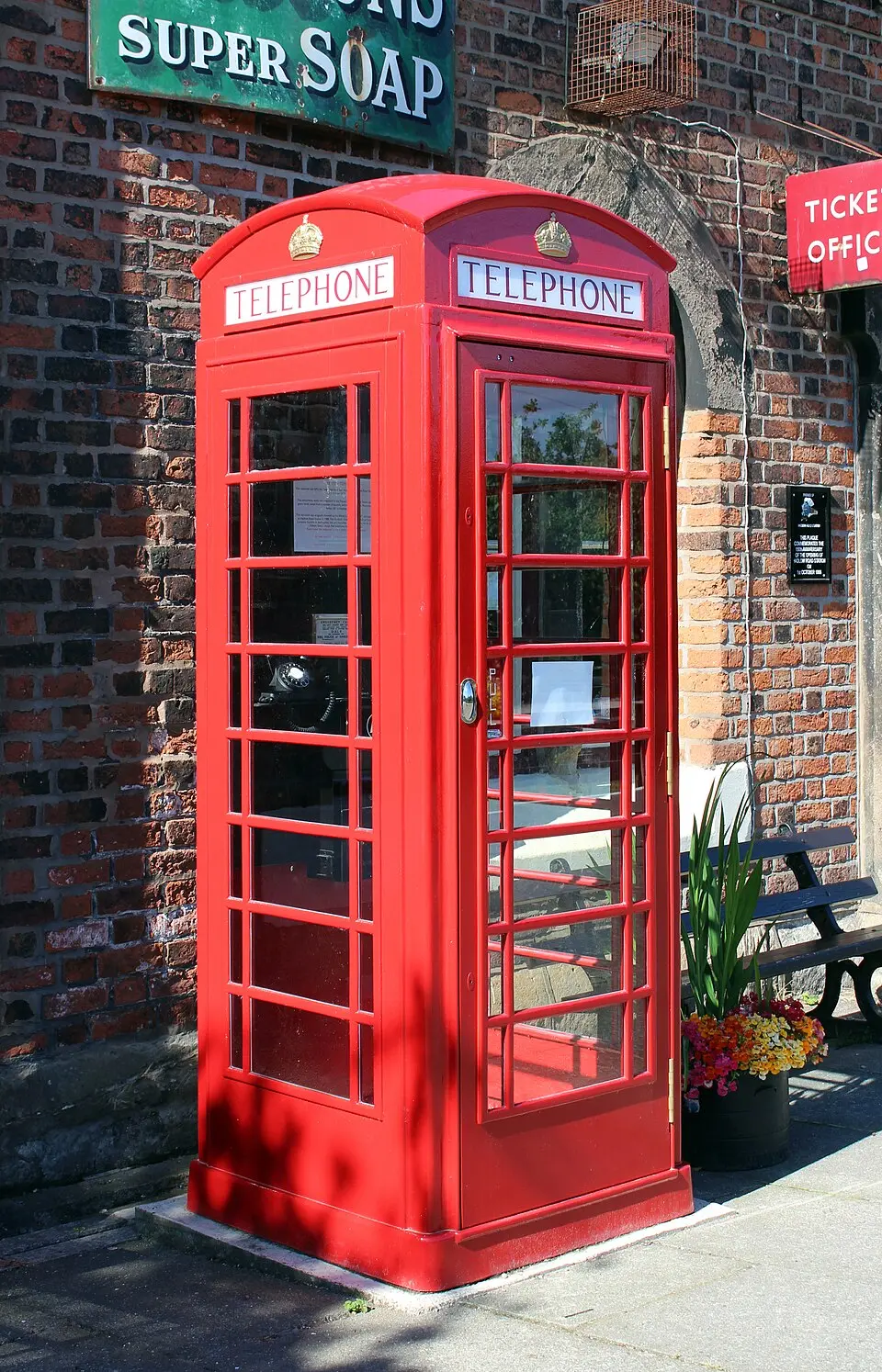
The K6 became far more than a container for a telephone. It was a visible promise of connection: a place to call home, summon help, conduct business or hear a distant voice. Its form is now recognised around the world.
From cast iron to the KX100.
K1
The first standard General Post Office kiosk.
K2
Scott’s competition-winning architectural design.
K6
The compact Jubilee kiosk designed for national use.
K8
Bruce Martin’s cleaner, modern cast-iron design.
KX100
BT’s stainless-steel generation replaced many older kiosks.
The arrival of mobile phones eventually removed the original need for much of the public payphone network. Yet the kiosks remain valuable records of design, technology and everyday social life. The UK Foundation’s interest includes both the celebrated K6 and later types such as the KX100: each tells a different part of that story.
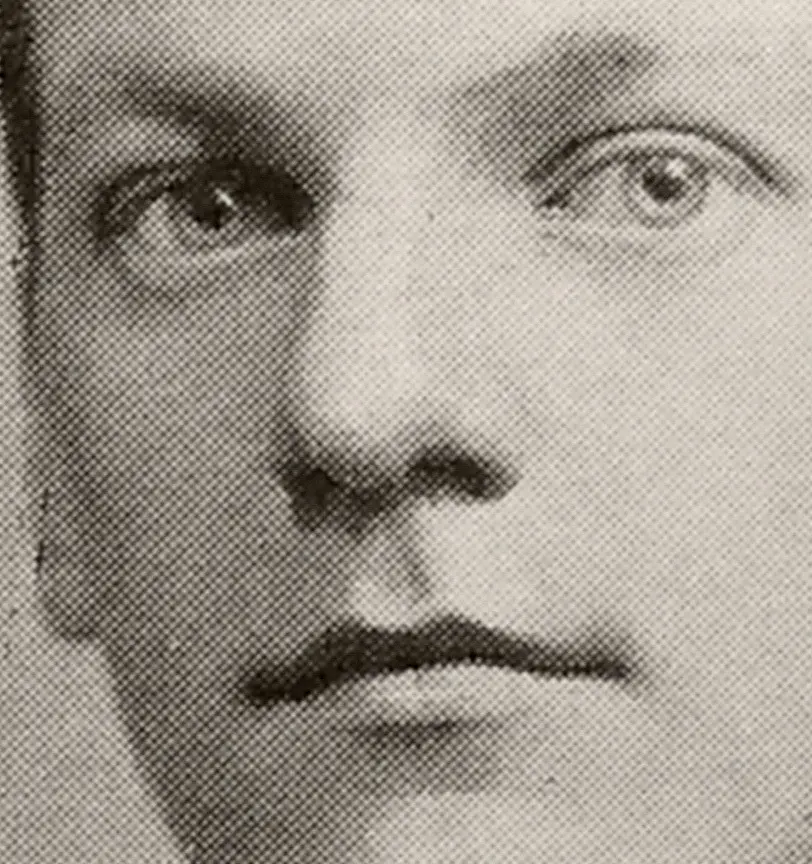
Sir Giles Gilbert Scott.
Scott came from a prominent architectural family, but established a voice of his own: modern in purpose, monumental in scale and rooted in the weight and rhythm of historic architecture. At only 22, while still an articled pupil, he won the competition to design Liverpool’s Anglican Cathedral.
His work ranged from a telephone kiosk occupying little more than a square metre to some of Britain’s largest buildings. Across those extremes, the same qualities recur—an unmistakable outline, carefully judged massing, vertical emphasis and a belief that practical structures can possess dignity.
An extraordinary architectural legacy.
Liverpool Cathedral
Scott won the design competition aged 22. The vast cathedral became his life’s great work, evolving considerably from the original proposal and continuing beyond his death.
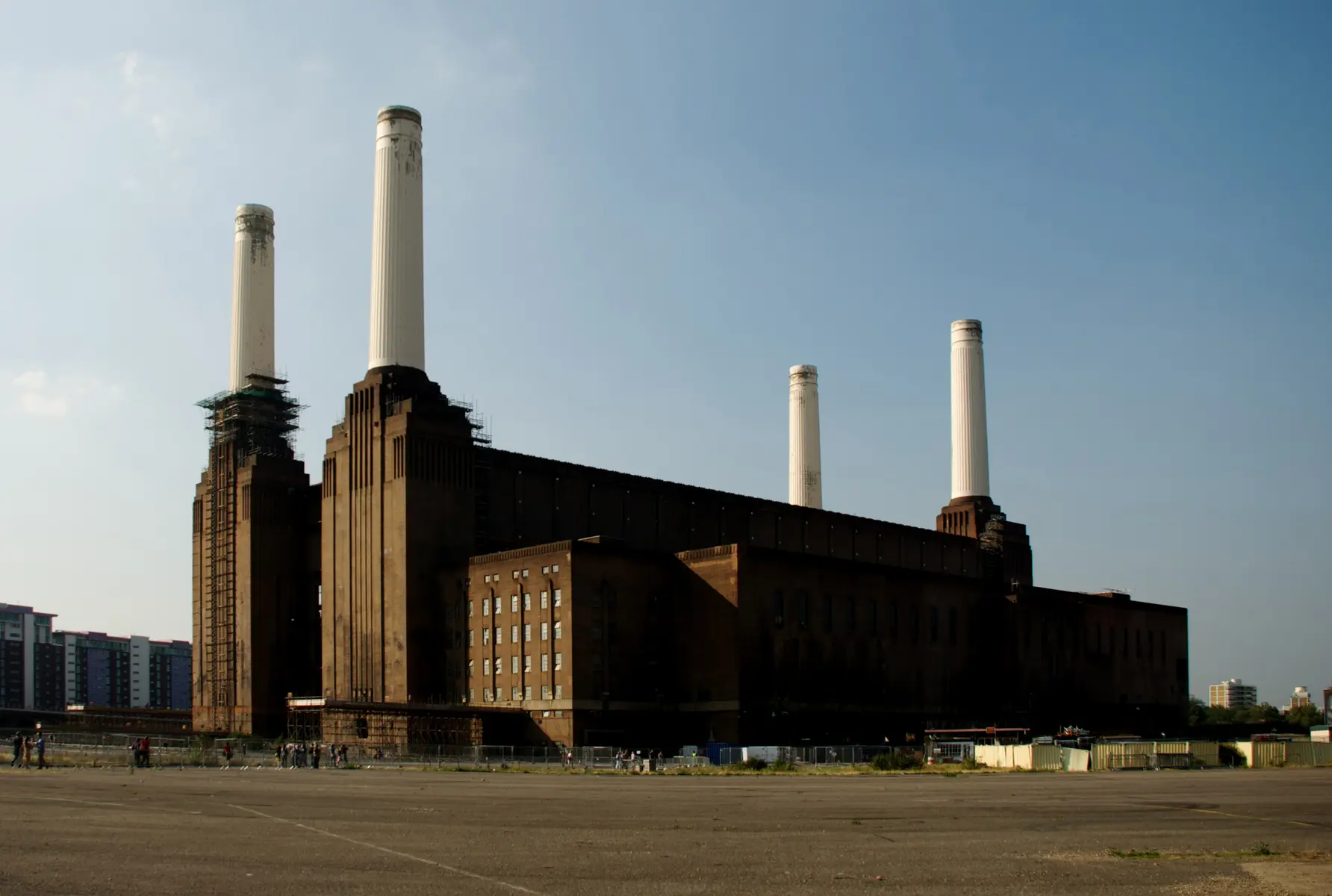
Battersea Power Station
Appointed as consulting architect after work had begun, Scott refashioned the exterior of the immense power station. Its brick walls and four chimneys created one of London’s defining silhouettes.
Cambridge University Library
Scott’s new library, crowned by its powerful central tower, opened in 1934 and gave the university’s expanding collections a monumental new home.
Bankside Power Station
Scott’s long brick power station beside the Thames later found a new purpose as Tate Modern—an internationally celebrated example of major industrial reuse.
Why this history matters now.
Scott’s work shows that infrastructure can become architecture, and that a familiar building can remain meaningful long after its first function has changed. Bankside’s transformation into Tate Modern is the grandest example; a carefully repurposed telephone kiosk applies the same principle at community scale.
Preserving a kiosk protects more than cast iron, glass or steel. It keeps a recognisable landmark in its setting, carries forward the stories attached to it and creates the possibility of a new public use.
Explore our kiosk projectsFurther reading
Historical detail on this page has been checked against records and material from Historic England, Liverpool Cathedral, Cambridge University Library, Battersea Power Station, Tate and the Design Museum.
Image credits
Giles Gilbert Scott portrait, 1905, public domain · K2 kiosk, Ethan Doyle White, CC BY-SA 4.0 · K6 kiosk, Phil Nash, CC BY-SA 4.0 · Battersea Power Station, Gaetan Lee, CC BY 2.0. Images converted and cropped for display.


